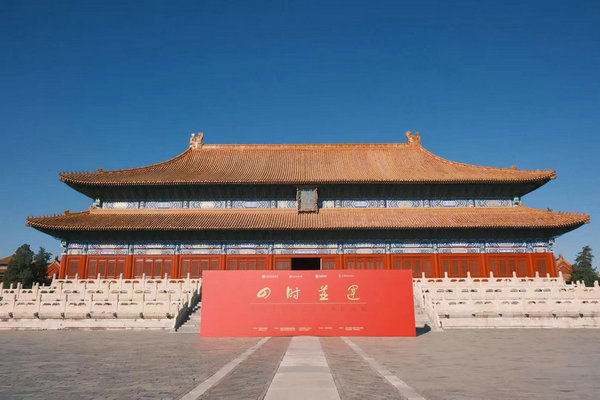
Imperial Ancestral Temple
Introduction
The Imperial Ancestral Temple, known as Taimiao in Chinese, is a significant cultural and historical site located in Beijing, China. Positioned near the Forbidden City, it serves as one of the prominent landmarks along the Beijing Central Axis, which is a UNESCO World Heritage Site. The temple holds immense cultural significance, representing a fusion of Chinese architectural brilliance and spiritual heritage. Traditionally, it was a place where the emperors of the Ming and Qing dynasties conducted ancestral worship ceremonies, reinforcing the Confucian values of filial piety and respect for ancestors. Today, the Imperial Ancestral Temple is not only a site of historical interest but also a venue for art exhibitions and cultural events, illustrating its continuing relevance and adaptability to modern cultural contexts.
History
Establishment and Construction
The construction of the Imperial Ancestral Temple dates back to 1420 during the Ming Dynasty (1368-1644). Its establishment was closely linked to the construction of the Forbidden City, as it was considered essential for the ritualistic practices of the imperial family. The temple was strategically located on the eastern side of the Central Axis of Beijing, aligning with the principles of traditional Chinese geomancy and urban planning. The architecture of the temple complex was designed to reflect the hierarchical structure of the society and the power of the emperor. It featured several halls and courtyards that were used for various ceremonial purposes. Over the centuries, the temple underwent renovations and expansions, particularly during the Qing Dynasty (1644-1911), to maintain its grandeur and to accommodate the evolving needs of the imperial rituals.
Historical Significance
The Imperial Ancestral Temple holds significant historical importance as it symbolizes the imperial power and the traditional Chinese values of ancestor worship. It was a critical part of the ceremonial life of the Chinese emperors, who performed rites to honor their ancestors and seek their blessings for prosperity and stability in the empire. These rituals were not only spiritual in nature but also political, reinforcing the emperor’s divine right to rule. The temple's history is intertwined with the political changes in China, serving as a witness to the rise and fall of dynasties. Its preservation is crucial for understanding the cultural and historical evolution of Chinese society.
Architecture
Design and Layout
The architecture of the Imperial Ancestral Temple is a testament to the artistic and architectural accomplishments of ancient China. The temple complex is designed with a traditional Chinese courtyard layout, featuring a central axis that runs through the main buildings. The design follows the principles of symmetry and harmony, which are essential elements in Chinese architecture. The main buildings are arranged in a hierarchical manner, with the central hall being the most prominent structure. The complex is surrounded by high walls, symbolizing protection and reverence for the ancestral spirits. The use of traditional materials such as wood and stone, along with intricate carvings and decorations, reflects the sophistication and attention to detail characteristic of Chinese architecture.
Main Halls and Structures
The Imperial Ancestral Temple comprises several main halls and structures, each serving a specific purpose in the ancestral worship ceremonies. The central hall, known as the Hall of Worship, is the focal point of the complex and is where the main rituals were conducted. It is flanked by side halls that were used for various preparatory activities related to the ceremonies. The temple also includes subsidiary buildings such as pavilions and towers that enhance its architectural beauty. The design of these structures incorporates traditional Chinese motifs and symbols, which are intended to convey messages of peace, prosperity, and imperial authority.
Cultural Significance
Role in Chinese Rituals
The Imperial Ancestral Temple plays a pivotal role in the ritualistic traditions of Chinese culture. It was primarily used for conducting ceremonies to venerate the ancestors of the imperial family. These ceremonies were held on important occasions such as the New Year and other significant festivals. The rituals performed at the temple were elaborate and involved offerings of food, music, and dance to honor the spirits of the ancestors. This practice was deeply rooted in Confucian philosophy, which emphasizes the importance of filial piety and respect for one’s ancestors. The temple served as a physical manifestation of these values and reinforced the cultural continuity and social order within the empire.
Influence on Chinese Culture
The influence of the Imperial Ancestral Temple on Chinese culture extends beyond its role in rituals. It represents the architectural and philosophical ideals that have shaped Chinese civilization for centuries. The temple's design and its ceremonial functions have influenced the construction and use of similar ancestral temples across China. Moreover, it serves as a cultural icon, inspiring art, literature, and music that celebrate China’s imperial past and its spiritual heritage. In modern times, the temple has become a symbol of cultural pride and has been integrated into contemporary art and cultural exhibitions, showcasing its ongoing relevance and its role in fostering cross-cultural dialogues.
Preservation and Restoration
Conservation Efforts
Preservation of the Imperial Ancestral Temple is a priority to maintain its historical and cultural legacy. Over the years, various conservation efforts have been undertaken to restore the temple and protect it from the effects of time and environmental factors. These efforts involve careful restoration of the architectural elements and the use of traditional techniques and materials to retain the temple's original appearance. Modern technology is also employed to enhance the structural stability and prevent further deterioration. The involvement of heritage conservation experts ensures that the temple is preserved for future generations to appreciate and learn from.
Modern Adaptations
In recent years, the Imperial Ancestral Temple has been adapted for modern uses while preserving its historical essence. It has become a venue for cultural events, exhibitions, and performances that attract both locals and tourists. These adaptations include hosting art exhibitions that showcase contemporary works alongside traditional ones, highlighting the blend of modernity and tradition. The temple’s role in such cultural activities helps promote awareness and appreciation of Chinese heritage among a broader audience. These modern adaptations also contribute to the temple's sustainable preservation by generating revenue that supports its maintenance and conservation.








